Stroke Care - Cottage Neuroscience Institute
Expert Care When You Need it Most
Contact Us
Contact our Stroke Care Program Coordinator, Felicity Holman, MSN, RN at 805-324-9235, who can assist with guiding patients from diagnosis, treatment, survivorship and beyond.
Santa Barbara Cottage Hospital is a Comprehensive Stroke Center certified by the Joint Commission and has received awards from the American Heart Association:
- Get With The Guidelines® Stroke Gold Plus with Target Stroke Honor Roll Elite Plus
- Target: Type 2 Diabetes honor roll
Santa Ynez Cottage Hospital is an Acute Stroke Ready certified by the Joint Commission and has received award recognition from the American heart Association for:
- Get With The Guidelines Rural Stroke Silver achievement
The awards recognize Cottage Health’s commitment to quality patient care by following the most current research-based guidelines for the treatment of stroke.
Comprehensive Stroke Program
The Cottage Health Stroke Program provides superior care by offering:
- Comprehensive multi-disciplinary team approach to care
- Neuroendovascular surgeons
- Critical care neuro-intensivists
- Stroke interventions such as clot retrieval and intra-arterial thrombolytic therapy
- Resource for emotional support for families
- Community education on stroke prevention
Multidisciplinary Stroke Team
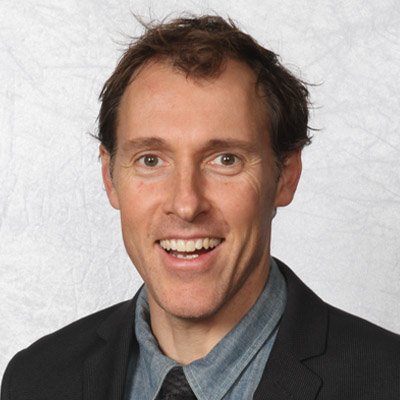
Philip Delio, MD
Stroke Program Director
Learn More
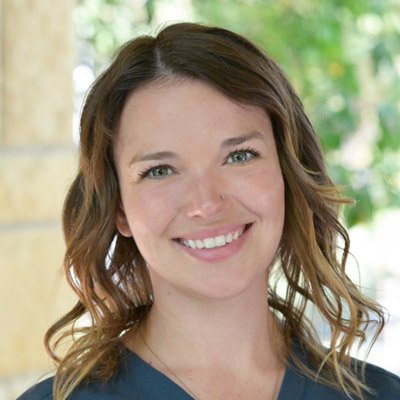
Felicity Holman, MSN, RN
Stroke Coordinator
Learn More
The Stroke team at Santa Barbara Cottage Hospital cohesively work together to improve outcomes and consists of the following:
- Neurologists
- Neurocritical Care Physicians
- Neurosurgeons
- Neurovascular Surgeons
- Advanced Practice Nurses
- Physician Assistants
- Nursing
- Neuro Radiology
- Neuro Rehabilitation
What is a Stroke?
Stroke is a disease that affects the arteries leading to and within the brain. According to the American Stroke Association, stroke is the fifth most common cause of death and a leading cause of disability in the United States. A stroke occurs when a blood vessel that carries oxygen and nutrients to the brain is either blocked by a clot, or bursts or ruptures. When that happens, part of the brain cannot get the blood and oxygen it needs. When someone shows signs of a stroke, they need immediate medical attention.
Suspect a Stroke? Seek Care Immediately.
When it comes to a stroke, minutes matter. Did you know that every 40 seconds someone in the U.S. suffers a stroke? Stroke is a leading cause of adult disability in the U.S. and the fifth leading cause of death. However, medical care has advanced in recent years and can dramatically increase a person’s chances for a healthy outcome when treated quickly.
“When a stroke is suspected, the most important thing is to seek immediate medical attention,” said Lauren Fink, BSN, RN, CNRN, SCRN, Clinical Manager, Service Line Operations – Neuroscience, Cottage Health . “Calling 911 is the safest and most efficient way to get the quick medical response needed for a possible stroke.”
Types of Strokes
- Ischemic stroke is the most common type. It accounts for about 87% of strokes and is caused by a clot or spasm blocking blood to the brain.
- Hemorrhagic stroke is less common and occurs when a blood vessel bursts in the brain.
- Transient ischemic attack (TIA) is a “mini stroke” and caused by a temporary clot.